

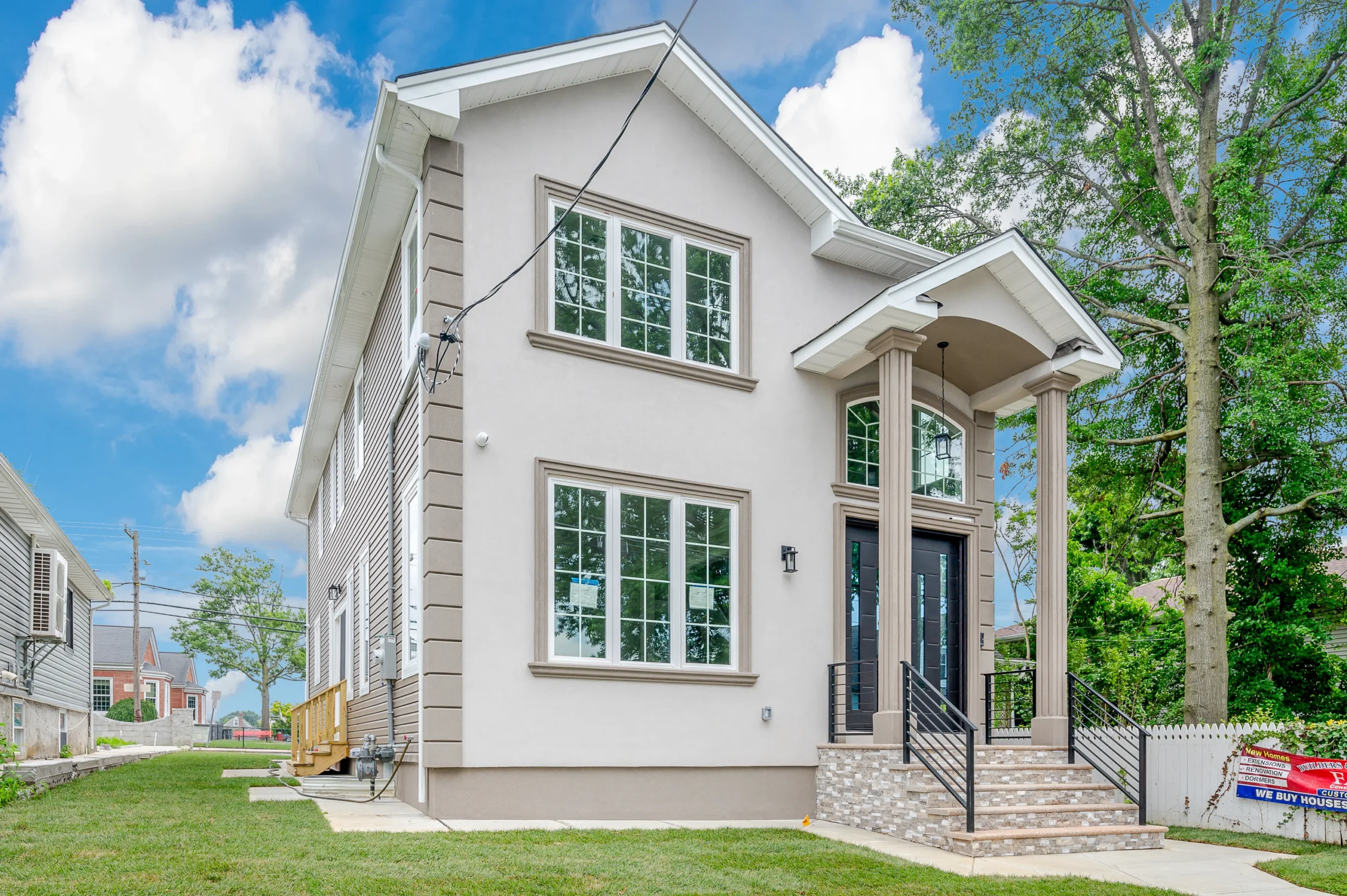
Complete Guide to Second Story Addition for Your Home
The second story addition to your home is among the most radical methods of adding space to live in, enhance functionality and value of your property. In the case of homeowners who like their area/ location and require additional space, second story addition enables them to grow upwards without necessarily acquiring more land. It is an enormous undertaking, but it would ultimately transform your life and perceptions of your home in a market environment when handled properly.
This guide will explain all you should know about second story additions, its meaning, how much it costs, how it is planned and built, why it is a good idea as well as the difficulties and suggestions on how to keep it within your budget.
What Is a Second Story Addition?
The second story add-on, involves building a new floor above an already existing home. A second story utilizes the entire vertical space as opposed to horizontal extensions, which extend in all directions and take up more land. This can be useful especially in households where the lots size is small or where there are restrictions of going out to expand.
Development of a second floor is not merely an extension of the rooms. It typically involves:
- Eliminating or altering the existing roof structure.
- The support of the extra weight by reinforcing foundations and framing.
- Expansion of facilities like plumbing and electrical and HVAC.
- Creating an efficient bedroom layout, bathroom layout, or living layout.
Such addition is one that enables the homeowners to modernize their home, get more natural light as well as make their homes overall livable, without having to move.
Why Homeowners Choose a Second Story Addition
There are various reasons which make homeowners consider second stories additions. First, it will give an opportunity to establish additional living space without the need to change houses, which will save money and avoid the inconvenience of selling and buying other houses. Secondly, it is adaptable in terms of interior designs, to accommodate the expanding families, guest rooms, home offices or entertainment.
Moreover, an adequate addition of the second storey can add considerably to the value of property. Houses that have a higher square footage, contemporary designs, and other bedrooms or bathrooms appeal more to buyers. This makes investing in a second story addition a viable move as well as economically intelligent.
Second Story Addition Cost
The second story addition cost is one of the initial questions that are asked by the homeowners. Depending on the size of addition, materials used, design complexity and location, the total cost may range widely.
Typical cost ranges include:
- Full Second Story Addition: $200,000 – $750,000+
- Partial Second Story: $80,000 – $250,000
- Cost per Square Foot: $200 – $500+
It should be mentioned that these costs are structural work, framing, utilities, roofing, interior finishes, and permits. Not all of them, however, might contain landscaping or temporary housing during the construction. The extra cost can be huge by having premium finishes or highly customized designs.
Factors That Affect Cost
The second story addition cost is influenced by several factors directly:
1. Foundation and Structural Support
It is necessary to determine whether the structure is strong enough to support the weight of a second story before the structure can be extended. The cost may also be increased by the need to strengthen the foundation, add support beams or other modifications to the walls of the older houses or houses constructed of much lighter materials.
2. Size and Scope
Additions that occupy the full footprint of the home are of course more costly than partial additions or room-specific additions. There are structural changes and extensions of utilities even in a small addition of a bonus room above a garage.
3. Materials and Finishes
Fancy flooring, fancy cabinets, fancy windows and other enhanced materials may add significant expenses. Standard finishes or mid-range finishes will be an option that can be used to control the budget without compromising on quality.
4. Permits and Local Codes
The second story additions must be provided with building permits, inspection, and adherence to zoning laws. The price and time required to pass the approvals are different according to the municipality and therefore worth considering in your budget.
5. Labor and Contractor Rates
The labor cost is determined by area and experience of the contractor. By employing an experienced contractor with a license, one is guaranteed of quality work, but it would be expensive compared to a company with less experience.
Planning Your Second Story Addition
The second story addition can be successful only with effective planning. The first step that the homeowners ought to take is identifying their objectives which could be the number of bedrooms, bathrooms or other special-purpose rooms. Working with an architect would mean that the new floor would be well-built and suited to your design needs.
A structural engineer is required to test the foundation and framing as a measure to ascertain whether reinforcement is necessary. Moreover, when planning and organizing the project, one should consider the permits and local regulations early enough to avoid setbacks and unpleasant surprises. The positioning of stairs, windows and the height of the ceilings is also important to functionality and comfort.
Step-by-Step Construction Process
The second story addition consists of a number of stages that have to be taken into account:
1. Design & Planning – Architects and designers finalize layouts and select materials.
2. Structural Evaluation – Engineers assess the foundation, framing, and load-bearing walls to ensure safety.
3. Permits & Approvals – Submission and approval from local building authorities are required before starting construction.
4. Demolition – Portions of the existing roof and ceiling are removed to make way for the new floor.
5. Framing & Utilities – Builders construct the new floor frame and extend plumbing, electrical, and HVAC systems to the second story.
6. Exterior & Interior Finishes – Roofing, siding, windows, insulation, drywall, flooring, and interior finishes are installed.
7. Inspection – Final inspections confirm that all construction meets code requirements and the addition is safe for occupancy.
Benefits of a Second Story Addition
An addition in the form of a second story has several benefits:
- Increased Living Space: Gain additional rooms without expanding the home footprint.
- Higher Property Value: Additional square footage and modern layouts increase resale potential.
- Flexible Interior Design: Add bedrooms, bathrooms, home offices, or entertainment spaces.
- Cost-Effective Alternative to Moving: Expanding vertically is often cheaper than purchasing a larger home.
Challenges of a Second Story Addition.
Second story additions have challenges: although advantageous, they have their challenges.
- Building is noisy, time consuming and disruptionary.
- Not every house is constructed in such a way that it can be extended vertically.
- Contingency budgeting is required because issues that are out of the ordinary may cause costs to rise.
- There might be delays in the form of local permits, zoning regulations, and inspections.
The majority of these risks can be alleviated by planning and recruiting highly qualified personnel.
Tips to Reduce Costs
Though additions of second stories are big expenses, homeowners can be able to contain the expenditure by employing a little bit of planning:
- shop around between several contractor quotes to get competitive quotes.
- Streamline design and roofline and minimize labor and material costs.
- When possible, use new material by reusing the old materials.
- Planning keeps construction alterations at bay.
- Install ordinary finishes as opposed to the luxury alternatives.
Conclusion
One of the best options to increase your house area, improve the design, and increase the house price is a second story addition. Although the addition of the second story may be expensive, proper planning, budgeting and professionalism make it a worthy investment. Vertical expansion can be very useful to homeowners who desire more space, and are fond of the area, but no longer have the space, making it an ideal place to live in.