
Apartment Building Construction Guide New York Experts
The United States apartment building construction is a multidisciplinary process requiring planning, engineering, design, financing, permitting, construction and hand over. As multifamily dwelling rentals in such cities as New York are booming, investors, developers, architects, and contractors should comprehend this process on all levels.
It is a detailed guide that subdivides the process, stages, and issues, the best practices and the crucial issues that need to be taken into account during the process of planning and building of apartment buildings in New York and the U.S. in general.
Introduction to Apartment Building Construction
The most notable investments in the urban real estate would include apartment buildings; be it mid-rise construction in Brooklyn or high-rise towers located in Manhattan. They need the coordination of various stakeholders, such as developers, architects, engineers, general contractors, and local authorities. The U.S. apartment building construction has been very active in the recent years with hundreds of thousands of units being delivered every year in big towns such as New York, Dallas, and Austin.
Market Analysis and Feasibility
Prior to the commencement of construction, market analysis and feasibility study will identify whether a planned apartment building project will be viable in terms of financial viability based on the local demand and rental rates as well as construction costs and competitiveness.
Why Market Research Matters
- Local absorption rates and demand on rental.
- Rental revenue and price levels are expected.
- Competitive products in the area.
- Demographic dynamics and forces of economic growth.
Feasibility Study Essentials
- Predicting the market to absorb.
- Cost and revenue cost and revenue financial modeling.
- Risk evaluation with regard to zoning and labor expenses.
This step is highly important in getting funding and seeing a successful project.
Assembling Your Development Team
An efficient apartment building project will have a team of professional, experienced people:
- Architects: Prepare floor plans, elevations and beauty.
- Civil and Structural Engineers: Make sure that it is safe and in compliance.
- General Contractor: Deals with construction activities.
- Construction Management: Manages schedule, budget and subcontractors.
Experienced professionals with multifamily experience contribute to the prevention of delays and cost overruns.
Planning and Design
Concepts come into being in planning and design. This stage encompasses architecture, structural, MEP and interior design.
Architectural Design
- Excellent designs to utilize the available space.
- Unit mix (studios, 1BR, 2BR)
- Common areas and amenities
Engineering Integration
- Load-bearing and foundation Support.
- HVAC and electrical systems
The cooperation of the architects and the engineers will guarantee the safe and constructable designs.
Zoning, Permitting & Regulatory Compliance
Local codes, zoning laws and other safety regulations must be adhered to. New York City has complicated building codes on building vasques, setbacks, floor-area ratio, and affordable housing.
Permitting Process
- Zoning and site plan authority.
- Building use permits
- Environmental and safety audits.
Local regulations are expensive to ignore and only experienced personnel can help avoid such delays.
Financing
Construction of apartment buildings is capital intensive. Financing often involves:
- Bank loans (construction loans)
- Privat equity capital.
- Affordable housing support among the population.
Funding would require a comprehensive business plan that has schedules, cost estimates and estimated revenues.
Pre‑Construction Phase
Pre-construction ready-organizes the location and clears up project terms:
- Site survey and soil testing
- Demolition and clearing
- Utility connections
This step makes a seamless change to real building.
Foundation and Structural Work
The foundation starts with the construction:
- Installation of excavation and footing.
- Foundation walls and slab
- High-rise buildings reinforced buildings.
Development of stability and safety needs strong foundations.
Building Superstructure
The superstructure has columns, beams, floors and walls. Such technologies as prefabrication and the use of concrete technology are modern technologies that may speed up this stage without compromising quality.
MEP (Mechanical, Electrical & Plumbing) Installation
Plumbing, electrical systems and HVAC are then followed by installation of the superstructure. Intertrade coordination makes sure that the schedules are kept and conflicts are prevented.
Interior Finishing and Amenities
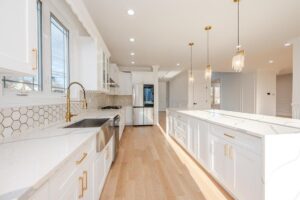
Interior finishing transforms constructions into residential areas:
- Drywall, insulation, flooring and paint.
- Fixtures and cabinetry
- Convenience amenities such as gyms, lounges, and rooftop decks and parking.
The amenities are also an attraction to tenants and can be used to justify the increased rent charges.
Inspections and Quality Assurance
Indoor inspections are essential to make sure that building codes are met:
- Framing and foundation inspection.
- Plumbing and electrical inspections.
- Final Certificate of Occupancy.
Attentive quality control guarantees the safety of tenants and the government regulation.
Final Handover and Leasing
On completion of constructions and inspections:
- Register a Certificate of Occupancy.
- Begin leasing units
- Strategic marketing of the building.
A good leasing strategy will alleviate vacancy and raise early revenue.
Long‑Term Operations & Property Management
Tenant satisfaction and preservation of assets depend on property management. Professional management guarantees the successful running of the organization, frequent repair, and up-to-date upgrading of the facility.
Trends in U.S. Apartment Construction
The current trends that are influencing the construction of apartments include:
- Urban Demand: Cities such as New York continue to be the center of multivamily housing regardless of the limitations in affordability.
- Sustainability: Energy-saving designs, sustainable materials and LEED certifications are becoming increasingly important.
- New Methods: Prefabrication and modular building assists in minimizing the construction time and manage the expenses.
Challenges in Apartment Building Construction
Developers often face:
- Increasing raw material and labor prices.
- Permitting delays
- Financing uncertainties
- Skilled labor shortages
These risks can be reduced by proactive planning and informed decision-making.
Conclusion
The process of constructing buildings in New York and the U.S. in general consists of a series of steps that involve many resources. Market research to the end leasing are steps that need to be planned, collaborated, and implemented. The practice of observing the best practices and taking advantage of the current construction technique can assist the developer to overcome the obstacles and take advantage of the high demand of multifamily housing.