
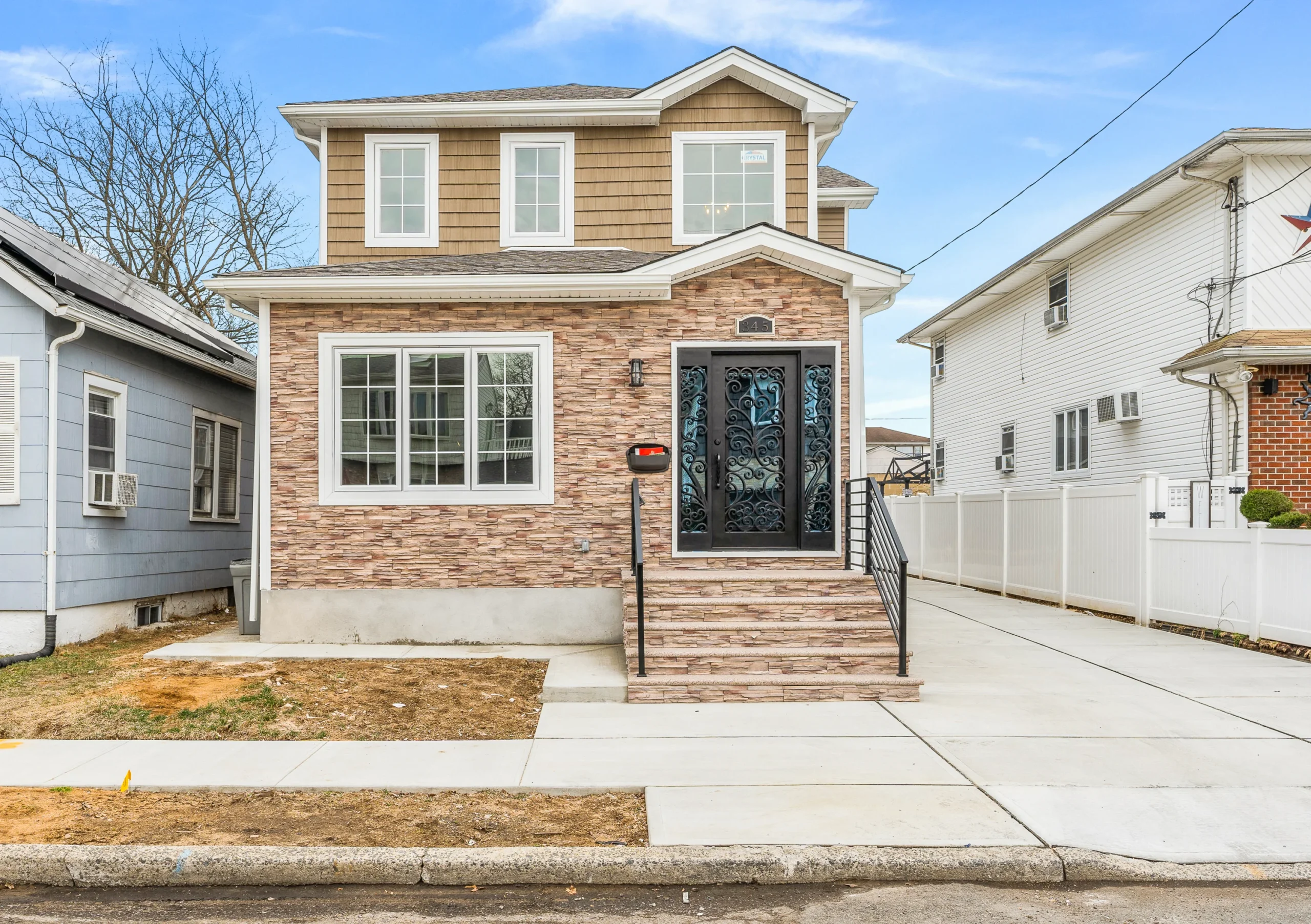
Brick Siding: Durable & Stylish Exterior Solution
Decades ago, brick siding has been a reliable option to both home and business exteriors. It is very durable, has a classical outlook and does not require a lot of maintenance making it a perfect fit in both contemporary and traditional houses. In the case of remodelers does not just add to the curb appeal but it adds to the long term property value. This guide will span all the aspects of what types of siding using bricks are available, their benefits, how they are installed, their cost, and maintenance suggestions to make knowledgeable decisions by the homeowner and the contractor.
What Is Brick Siding and Why It Remains Popular
Siding involves the use of natural clay bricks that are used on the exterior walls. It either is made of solid brick masonry or of brick veneer siding, which is less expensive. It is very strong, and that is why it is popular. Brick siding is fireproof and resistant to weather conditions and can withstand up to 50-100 years when installed correctly hence a popular remodel that is long lasting.
Types of Brick Siding for Residential Remodeling
Various kinds of brick siding can be used in the remodeling projects. The selection of the appropriate one would be dependent on the design and budget of the house.
Brick Veneer Siding
The most common one is brick veneer. It comprises one layer of bricks to a wooden or steel frame. It is light in weight and simple to install and offers the look of a brick wall. Brick veneer is the best type of brick to use by the remodelers because it cuts down on the structural weight and the duration of installation.
Solid Brick Siding
Solid brick siding is a wall of all-thickness brick, which is included in the building structure. It is costly and is commonly observed in new buildings, however, some house owners may choose it in luxury remodelling work to give it a classic appearance.
Thin Brick Siding
The use of thin brick siding has become common in the remodelling of today. Thin bricks or brick tiles are attached to walls using adhesive and so it can be used both indoors and outdoors. It offers the traditional bricked appearance and gives flexibility in the designing and installation.
Key Benefits of Brick Siding
An ideal choice as it is attractive and helpful to both the homeowner and the remodelers.
- Fire-Resistant: Protects homes from fire hazards.
- Pest-Resistant: Naturally resistant to termites and insects.
- Low Maintenance: Color baked into the bricks lasts for decades.
- Durable: Withstands harsh weather without warping or rotting.
- Energy Efficiency: Helps regulate indoor temperatures.
Brick Siding vs Other Exterior Options
The brick siding is superior to the vinyl, wood, or fiber cement siding in terms of durability and life span. Vinyl siding is less expensive and may crack during extreme weather. Wood siding is natural in appearance yet it is very expensive to maintain. Fiber cement is well balanced and does not have the classicism and property value enhancement.
Design Styles That Work Well with Brick Siding
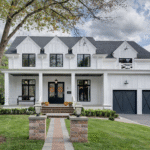
Brick siding is used as a complement of both traditional and modern buildings. The interiors of modern farmhouses are commonly finishing with light colored bricks or whitewashed. Traditional colonial houses prefer the use of red bricks to create a long lasting appearance. Modern architectures can use dark bricks or a combination of materials hence the brick is flexible to every remodelling style.
Brick Siding Installation Process
The main aspect of the successful brick siding project is professional installation. A moisture barrier and flashing is initially applied to the wall. In the case of brick veneer, it is held by metal ties and mortar to the wall. Good drainage and weep holes should be provided to avoid moisture complications and guarantee life cycle.
Cost of Brick Siding
Costs of brick are determined by the type of the bricks, labour and the size of the projects. Brick veneer is more costly than the vinyl and does not need maintenance as much with time. Thin brick siding is less expensive and is recommended in remodeling works. Personalized bricks and complex designs will add expenses but will place distinct flavor to the house.
Maintenance of Brick Siding
Brick siding is the type that has low maintenance. They are regularly inspected and pressure washed to make it look fresh. In case mortar joints crack as time goes on, repointing makes a building structurally sound. Sufficient drainage and cladding can prevent problems of moisture.
Energy Efficiency Benefits
Brick siding offers thermal mass that helps to control the indoor temperatures. It cools down homes during summer and warms during winter particularly when it is combined with modern insulation. This is able to save on energy costs and offer long run savings.
Enhancing Property Value
Houses that have brick siding are in demand. Purchasers equate brick exteriors with quality and durability. Brick siding is also a good investment, which increases the curb appeal and greatly improves resale value.
Is Brick Siding Right for Your Remodeling Project?
Brick siding is the perfect one to use when the homeowner needs a long-term, low-maintenance and classy cover. Remodelers can emphasize this service as a way of demonstrating quality, professionalism and a high end remodeling experience.
Choosing the Right Remodeling Contractor
Brick siding would need to have skilled contractors. Well trained remodelers are used to make sure that there is a good choice of materials used, the methods of installation are done correctly and that the local codes of building are observed. This ensures longevity, beauty and customer contentment.
Conclusion
A long lasting, stylish and durable exterior solution is the brick siding. And no matter whether you use the old red brick, the modern thin brick siding and the veneer, brick will always provide the classic beauty and worth to any home. Investing in brick siding service is a clever solution to residential remodeling ventures to the remodelers as it underscores experience and customer confidence.